What is the market prediction for 2026?
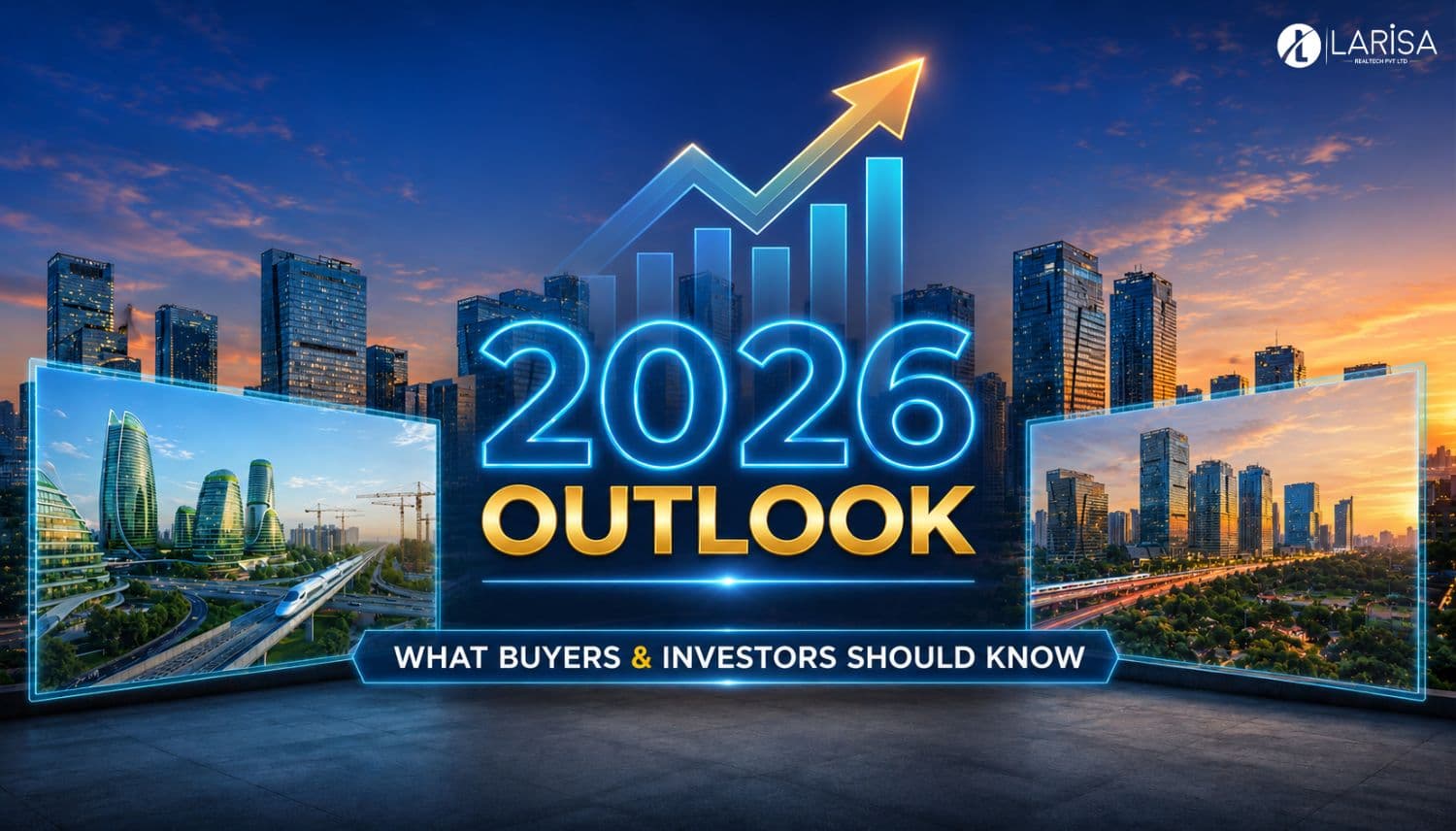
The outlook for real estate in 2026
Published on January 13, 2026
Introduction: Real Estate Market in 2026
The real estate market in 2026 will remain steady, growth-based, and demand-driven. Years of correction, tightening of rules, and consolidation in the real estate sector have helped the market reach the maturity level, wherein the end-users, long-term investors, and bona fide buyers would be the key drivers of the market.
Unlike previous market trends, the real estate market of 2026 would be driven by discipline, transparency, and sustainability.
As the urbanization rate continues to escalate, coupled with increasing demands related to lifestyle, real estate investment in 2026 is recognizing the importance of real estate as a long-term wealth creation instrument rather than an opportunity for making some quick money.
The modern buyer is now better informed, risk-averse, and values-oriented.
Global Real Estate Market Overview for 2026

Globally, the market in the year 2026 represents a mood of cautious optimism and balance. For a long period, the market has witnessed volatility because of the disruption in the economy and rising interest rates and a shortage of supply in the international markets.
Markets around the world now seem to stabilize, and the growth in prices in the prominent economies appears prudent and not very ambitious due to improvement in affordability and a balance in available supply in the markets.
Overall Real Estate Market Prediction for 2026

The market forecast of the real estate sector in the year 2026 still appears positive but balanced.
Important expectations include
Moderate and steady property price appreciation
High Demand from Residential End-Users
Recovery and Stabilization in Commercial Real Estate
Enhanced investor confidence
More emphasis on quality construction and reputed developers
Contrary to the dramatic rise in prices or the boom phenomenon, the projected growth of the market shall be steady, and therefore safe for both buyers and investors
Market Stability and Structural Maturity
The real estate market in 2026 symbolizes an era of stability and maturity as opposed to expansion.
The industry has turned out to be a much more organized investment opportunity owing to desired reforms, proper finance, and efficient governance. It can be anticipated that prices shall show a sensible appreciation, which would be based on reality, not on market bubbles.
Housing Market Activity Gains Momentum
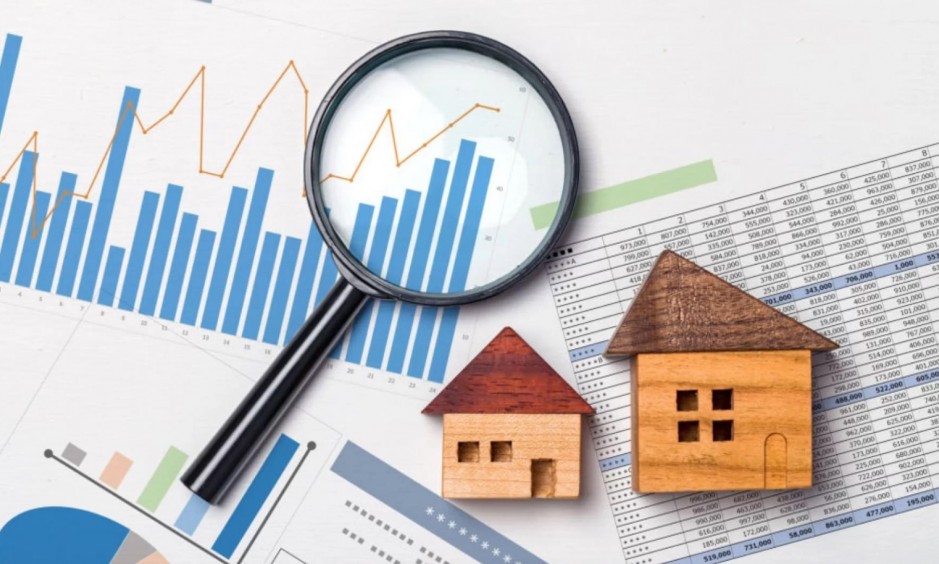
The housing market in 2026 is likely to experience positive movement as regards activities, as many sales are gradually taking place. Stability in interest rates and enhanced affordability are attracting buyers to return to the market.
Caution in decision-making, which previously constrained purchasing activities, is now easing and allowing smoother sales in ready-to-move and almost completed housing projects.
Divergence in Regional Conditions
The real estate industry in 2026 will experience varied growth in different regions. Even as some few metropolitan cities and development areas are likely to outgrow others, some markets may record lower growth rates owing to oversaturation.
This phenomenon underscores the significance of micro-markets, as buyers and investors will have to rely on jobs, transit, and development visibility.
End-User Demand Driving Sustainable Growth
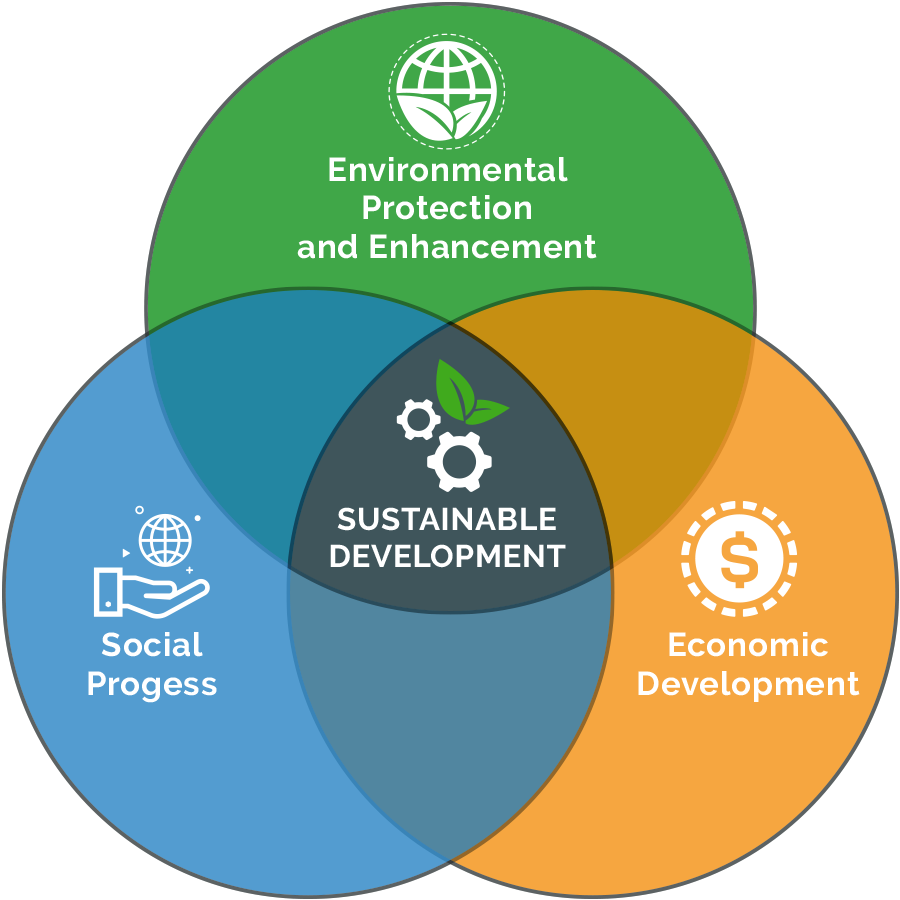
One of the key factors in the positive condition of the market in 2026 in regard to demand is the end-user-driven nature of the market. It has been noticed in this regard that buyers are acquiring property primarily for the purpose of using it for themselves or as a source of rental income or as a hedge against the long term in terms of security.
Price Trends and Affordability
Property prices for the year 2026 are anticipated to be moderately rising, striking a midway point that balances affordability and appreciation. Enhanced terms for financing and fixed interest rates are currently promoting affordability for buyers, particularly in the affordable and mid-segment classes.
Prudent pricing and appreciation strategies by project developers are also adding to a realistic appreciation in values.
Rental Market Shifts
Rental markets in 2026 are witnessing an eventual transition as the demand for residential properties increases in employment hubs. Higher land and property costs, and deferred purchases, are leading to an eventual rise in demand for rental properties.
Real estate developers are looking for rental-oriented properties, especially in proximity to the IT sector, business, and transport corridors.
Developer Accountability and Project Quality

Developers in 2026 emphasize punctuality in deliveries, legal requirements, and gaining trust from consumers. With tighter regulation and well-informed buyers, only robust and credible developers are able to thrive in this market. This has significantly helped in improved construction standards, clarity in costs, and planned communities, further increasing confidence in buyers.
Long-Term Growth Outlook and Buyer Confidence
Looking ahead, the real estate market in 2026 has everything going for it to develop at a steady pace. Infrastructure development, job Centres, and the need for lifestyles will continue to drive the real estate market. Those buyers/investors who look at the real estate market with a Long-term perspective will benefit the maximum.
Economic Factors Supporting Real Estate Growth

Numerous macroeconomic indicators would continue to help the real estate market in the year 2026:
Stable employment growth in urban areas
Growth of Information Technology, Manufacturing, and Service Sectors
Increasing discretionary spending capacity in middle-class families
Continued urban migration
These conditions work together to enable sustained demand and future growth in the housing market in the main cities and developing routes.
Residential Property Market Outlook in 2026
The residential segment will continue to be the strongest supporting pillar in the market in 2026.
Main residential trends include:
Demand for 2BHK & 3BHK flats remaining steady
More preference for ready-to-move and near completion projects
Development of gated communities and integrated townships
Increasing need for homes with open spaces, balconies, and lifestyle amenities
Shift in Buyer Preferences and Lifestyle Needs
Homebuyers in 2026 value comfort, health, and convenience over mere square footage.
Some key shifts in preferences are as follows
Better ventilation & natural light
Green spaces and recreational areas
Being Close to Workplaces and Schools
Well-being facilities such as walk tracks, fitness rooms, and meditation areas
Such a paradigm shift is redefining project design and planning within residential developments.
Affordable and Mid-Segment Housing Trends
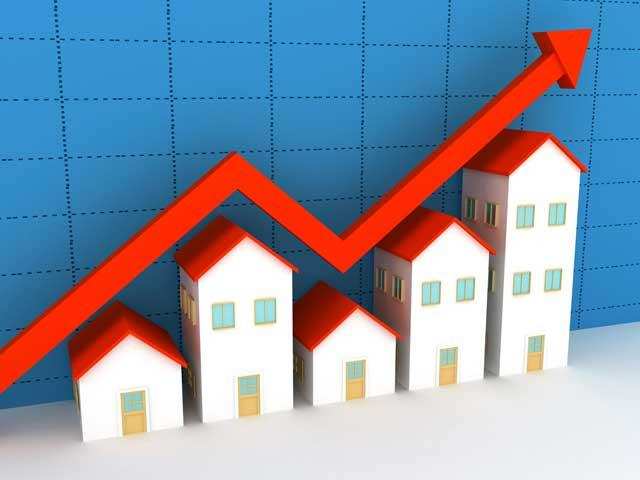
Budget and mid-range housing will remain the volume drivers of the real estate sector in the year 2026.
Reasons for growth in this category:
Increased availability of home loans
Support from government in affordable housing
Projects in or near employment centers
The affordable housing properties, developed along the routes of the metro, highways, and industrial areas, are forecasted to register increased absorption and shorter sales cycles.
Luxury Real Estate Trends in 2026
The luxury real estate segment is forecast to do well in metropolitan cities as well as high-end micro-markets.
Main luxury trends:
The Emergence of Branded and Designer Homes
Proximity
Privacy, Security, & Exclusivity as key factors
Interest among high net worth individuals, NRIs
Luxurious homes are now viewed not only as status symbols but also as investment and lifestyle assets.
Commercial Real Estate Market Forecast
The commercial real estate market in 2026 is forecasted to experience a slow and stable recovery.
Key developments are:
The demand for Grade-A office spaces is high.
Development of co-working or flexible working environments
Continued Leasing by IT, Technology, and Corporate Sector Organizations
Concentrate on energy-efficient and sustainable office buildings
Commercial and Institutional Sector Dynamics
Commercial real estate in 2026 is slowly changing. Demand for Grade-A office spaces has remained steady, while flexible workspaces and mixed-use developments are gaining momentum. Institutional participation in office leasing and alternative assets is improving the long-term stability of the sector.
Office Space Transformation
The office segment is evolving with hybrid work models, flexible layouts, and sustainable design. In select markets, older office spaces are being repurposed or redeveloped to meet modern requirements, ensuring efficient utilization of commercial real estate.
Institutional Investment Trends

Institutional investment in real estate is firming up on account of regulatory clarity and transparency. Domestic and foreign investors are increasingly allocating more capital to office spaces, logistics parks, data centers, and large residential projects, thereby enhancing governance and long-term confidence.
Warehousing, Logistics, and Emerging Property Segments
New age segments for property will acquire prominence during 2026.
High-growth categories include:
Industrial and manufacturing real estate
Data Centers
Cold Storage and Supply Chain Facilities
Role of Infrastructure in Real Estate Appreciation
The biggest factor that would aid real estate in 2026 would be infrastructure.
Major infrastructure drivers:
Highways
Expressways and National High
Metro rail and rapid transit networks
Expansion of airport infrastructure and aviation hubs
Smart city and urban redevelopment initiatives
Decentralized Urban Development
The trend towards decentralized development in the urban setting is currently on the up as satellite cities and transit-oriented development schemes entice buyers and investors. Affordability, master-planned infrastructure, and appreciation potential offer more benefits compared to the center of town.
Real Estate Investment Trends in 2026
Real estate investment in 2026 will be more disciplined, structured, and long-term focused.
Investor preferences are:
Stable rental-yield assets
Projects by known developers
Areas with visibility of growth
Impact of Technology on the Real Estate Sector


Technology has been influencing the manner in which real estate property transactions occur.
Key technology trends:
Online property discovery platforms
Virtual Site Visits & 3D Walkthroughs
The use of digital documentation and electronic transactions
Smart home automation
Green Homes and Sustainable Real Estate
The concept of sustainability has emerged as an important purchasing criterion for both customers and developers.
Customer preferences now are:
Energy-efficient homes
GREEN-Certified
Rainwater Harvesting & Solar Power
Government Policies and Regulatory Support
:max_bytes(150000):strip_icc()/how-governments-influence-markets-4205069-02d77ea7f3884828a57297bd60bfbe4c.jpg)
There has been a marked improvement in the real estate sector following government reforms regarding increased transparency, protection of buyers, and faster delivery of properties.
Risks and Considerations for 2026
Even with fundamentals on the positive side, factors that could pose some risks include increasing construction expenses, volatility of interest rates, regional over-supplies, and uncertainties in global economies
Strategic Takeaways for Investors & Buyers
Emphasis on Long-Term Investment Horizons
Diversify by asset class
Reputed developers
Use data and technology to your advantage
Challenges Facing the Real Estate Market
It's a good prognosis, but yet several challenges persist, such as increasing construction costs, fluctuating interest rates, oversupply in certain markets, and global uncertainties.
Final Conclusion: Is 2026 the Right Time to Invest?
Overall, it can be said that 2026 is an excellent and well-balanced investment opportunity in real estate. The real estate sector has firmed up in terms of being stable, transparent, and end-user driven, thus reducing the risks of speculation in the sector.
Buyers/supporters with long-term perspective will greatly benefit the most by the developments in real estate driven by infrastructure development, regulatory reforms, and lifestyle-driven housing demands. lifestyle-driven housing demands.
Key Takeaways for 2026 Real Estate Market:
Stable and Predictable Growth: The value of property will grow in a predictable and stable manner, which will act as a safe investment opportunity.
Less Speculation: There is less speculation in the market because it is based on genuine end-use demand.
Boost in Confidence among Purchasers: There is a boost in confidence among purchasers due to more transparency, rapid execution of projects, and responsible developers.
Financing Assistance: Home loans are available for making investments as well as for buying homes. The repayment options are flexible.
Infrastructure Driven Appreciation: Infrastructures such as the development of highways, metro stations, and hubs will generate greater property values.
Long-Term Wealth Generation: Investing in good projects in prime locations will generate appreciation as well as returns on rent.
Lifestyle and Wellness Focus:
This would also include dwelling units with open spaces, wellness facilities, and spaces which are close or adjacent to work environments.
Summary
By 2026, the real estate market will be stable, transparent, and demand-driven, supported by end-users' interest and investors with a long-term view rather than speculation. The reforms in regulations and maturity of the market have brought about disciplined pricing, better construction quality, and higher buyer confidence.
The residential sector continues to be the strongest, with a stable demand for 2 BHK and 3 BHK apartments, lifestyle-oriented projects, and sustainable housing. Commercial real estate is also recovering at a steady state, driven by Grade-A offices and emerging asset classes. Overall, with infrastructure growth and supportive policies, the year 2026 brings balanced opportunities for long-term investment and steady wealth creation
Frequently Asked Questions
Related Posts