

Owning rental property can provide you with a regular income. But to get better returns you need to plan it right. Set the rent too high and you’ll increase your vacancies, and having poor maintenance and unreliable tenants will reduce your overall earnings.
In 2026, tenants are likely to visit many properties before making a decision. The factors such as cleanliness, security, connectivity and general cost of living impact their choice.
By understanding these requirements landlords can make better decisions to attract the right type of tenant and improve the long term performance of their rental property.
Understanding Rental Income in 2026
Rental income will depend on a number of possible factors including location, property condition, tenant demand and monthly expenses.
A property in a convenient location may attract more tenants but actual returns also depend on the purchase price and maintenance costs.
The landlord should not look only at the monthly rent but the amount of income left after the regular expenses have been met. The overall earnings can be affected by the society maintenance, repair costs, vacant periods and property management charges. Here are seven effective ways to boost your rental propertys success.
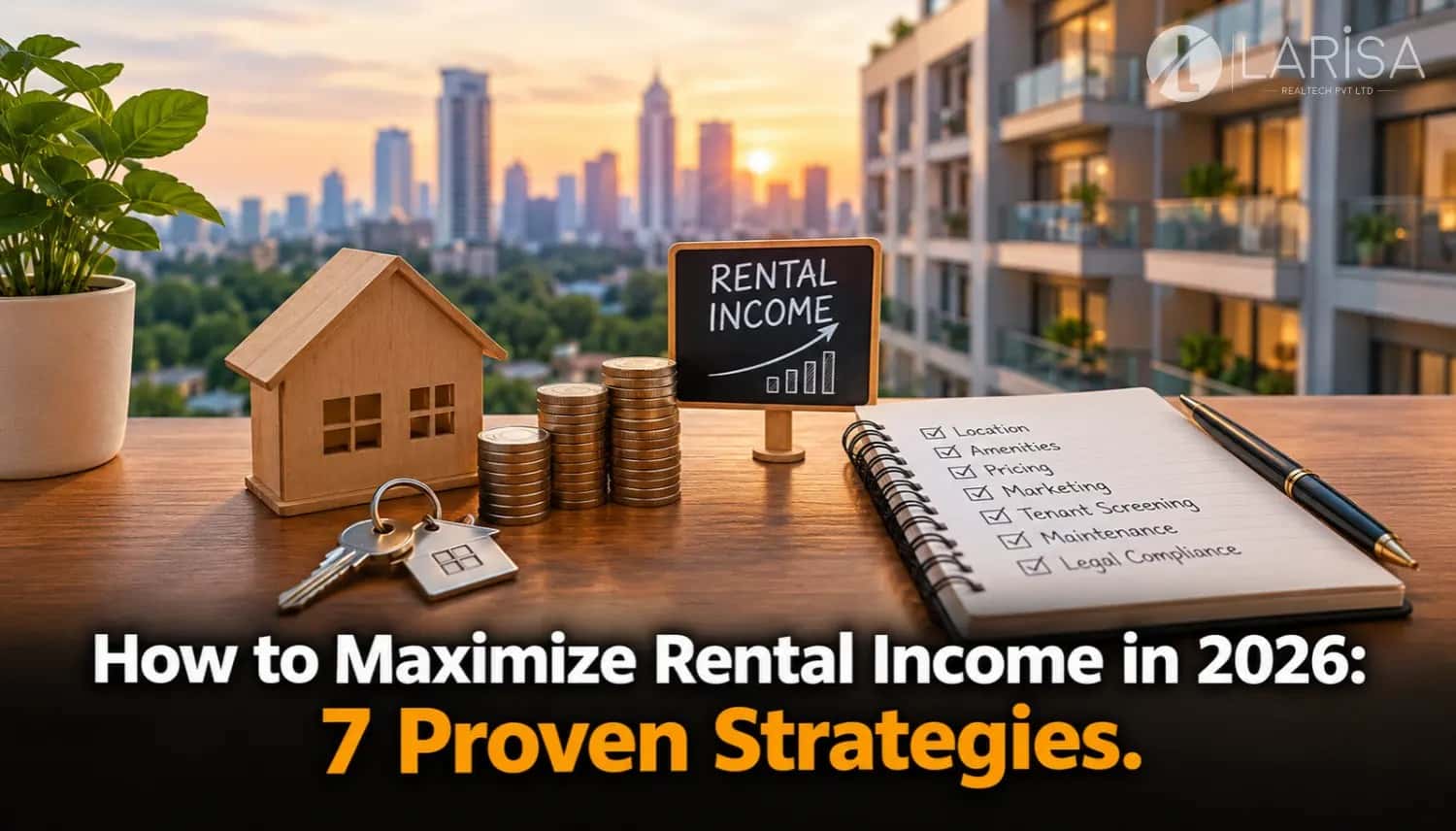
7 Strategies to Maximize Rental Income
The following strategies point out the key areas landlords should think about from setting competitive rent and finding suitable tenants to property maintenance and tracking rental returns.
1. Set the Right Rental Price
One of the most important things you can do to get the most out of your rental income is to set the right rent. Try to find out similar properties in your neighborhood and do a comparative study on the basis of size, furnishing, amenities, condition and connectivity. This will give you a better idea of what tenants are ready to pay for.
Do not set your rent too high just to make more money. A competitive price can help reduce vacancy and provide a higher monthly income.
2. Renovate Your Property Before You List It
A well maintained, attractive, clean property makes a much better first impression. A rental home can be made more appealing without costly renovation by small things like a coat of paint, working electrical fittings, clean bathrooms, working kitchen appliances and proper lighting.
Working professionals may want wardrobes, good internet and easy parking, while families may value storage, security and access to everyday conveniences. Focus on usability improvements, not features tenants may not require.
3. Pick the Right Location and Tenant Segment
Demand for rental property is very important in location. Properties located near business districts, IT parks, educational institutions hospitals and transport links can attract tenants looking to cut down on their daily travels.
For example in Gurgaon there are options such as Golf Course Extension Road, Dwarka Expressway and New Gurgaon for buyers and landlords depending on the tenant segment they want to target.
Knowing your target market will help you have a better impression of the property and have better chances in finding the right homeowners.
4. Good Marketing Reduces Vacancies
A property with good rental value can be a poor investment if it is left vacant for several weeks. You can reduce this risk by preparing a clear and accurate listing with good quality photographs, detailed property description and information of rent, deposit, furnishing and available facilities. Advertise the property on relevant online rental sites and local property networks.
If possible, begin searching for a replacement tenant before the tenant leaves. By closing the gap between tenants, you can increase your annual rental earnings without necessarily raising the monthly rent.
5. Screen Tenants and Use a Proper Rental Agreement
A tenant who pays his rent on time and takes care of the property can make a big difference to your rental experience.
Check the identity, employment or income information where applicable and references of the prospective tenant. Carry out any local tenant checks before handing over possession if applicable.
Your written rental agreement should state the monthly rent, the security deposit, the date the rent is due, maintenance responsibilities, notice period and conditions for renewal and all applicable stamping and registration requirements are met.
6. Maintain the Property and Keep Good Tenants
Regular maintenance helps the property stay in good shape and can help avoid expensive repairs later on. Check the plumbing, electrical fittings, appliances and other essential facilities from time to time. Respond quickly to actual repair requests. Document maintenance costs.
Good communication, timely repairs and fair treatment can get tenants to renew their contract. When raising a rent, consider the local market conditions, the terms of the lease and the cost of a potential vacancy.
7. Track Rental Yield and Cost Management
More rent per month does not necessarily mean more profit. Owners should work out rental yield and take note of expenses such as maintenance, repairs, society charges, property management fees and periods without tenants.
Gross rental yield is the annual rental income divided by the value of the property multiplied by 100. For example, a property is priced at ₹80 lakh and the monthly rent being charged is ₹24,000. So the annual rent would come to ₹2.88 lakh and the gross rental yield would be 3.6%.
Track your income and expenses to make sure the property is achieving your financial objectives and maintain thorough records of your rental activities and ask for guidance from a qualified tax professional regarding any potential tax obligations that may apply to you.
Make Smarter Property Investment Decisions
To achieve better rental returns you need to guarantee the right property, competitive pricing and consistent management.
Here at Larisa Realtech, we can help you explore opportunities for real estate investment, compare locations and understand important factors that influence property demand.
If you know what you want to do and plan properly you will be able to choose what rental properties to pick and how to manage them.
Conclusion
In an effort to maximize rental income in 2026, property owners should focus on realistic rent, useful upgrades, effective marketing, tenant screening and regular maintenance. Rental yield and expense control are equally important for a true return.
These seven strategies can help you run your property more efficiently, reduce unnecessary losses and work toward more consistent rental income.