
How to Avoid Property Fraud in India: Complete Guide for Homebuyers

Published on May 13, 2026
Table of Content
One of the largest life choices is to purchase a house. It requires years of savings, planning, and trust. In India, however, there is a serious problem with property fraud. Most consumers spend their money in the wrong hands due to a lack of proper research on information or trusting the wrong people.
The fraud may occur at any level - between booking and registration. That is why it is not a choice that we should be careful of.
The better part is that the majority of property frauds may be avoided if you take the correct steps.
We will provide practical solutions as to how to avoid property fraud in India in this guide in a simplified manner, so that you can invest safely.
What is Property Fraud?
Fraud in property occurs when an individual attempts to cheat you in a real estate transaction. This may involve fraudulent ownership, unlawful construction, concealed legal matters, fake property documents, or selling the same property to more than one buyer.
In some cases, buyers are also misled with false promises related to approvals, possession dates, or property prices.
Most of the fraud appears real, and this is why buyers end up in traps. Scammers often use attractive deals and convincing paperwork to gain the trust of buyers.
Being aware of these risks and carefully reviewing every detail of the property before making any payments or signing agreements is the first step toward safety.
Carefully Check the Property Documents
The most significant step in any property deal is the verification of documents. Do not skip this part.
Always check:
Title deed (evidence of ownership)
Sale agreement
Encumbrance certificate (indicates whether the property has loans or legal dues)
Property tax receipts
Land use approval
These records prove the legality of the property to be safe or not.
You should always seek an attorney in case you are not sure. A minor fee could safeguard you against a huge loss.
Check Seller Details and Ownership

Always ensure that the seller is the true owner before paying him/her. In most frauds, individuals attempt to sell what is not their legally owned property.
You should:
Compare the title deed to the name of the seller.
Check government identification evidence.
Check past ownership history.
In addition, when there are several owners, obtain the consent of all of them to the sale. This will be a significant step, particularly in resale properties.
Check RERA Registration
In case of an under-construction or a new construction, remember to verify whether the project is registered under the Real Estate (Regulation and Development) Act, 2016.
RERA ensures that developers operate within the correct guidelines and will give buyers the right information.
You may visit the RERA site of your state and verify:
Project details
Builder information
Timeline for completion
Be careful not to use projects that are not approved by RERA because it is riskier.
Never Accept Deals That Sound Too Good
One of the most common frauds is the offer of a property at a very low price. It appeals to shoppers who can buy now and creates a sense of urgency. Buyers are often pressured by scammers with limited time offers or claims that there is a lot of interest in the property.
But in reality, such deals often hide problems like legal issues, bad construction quality and hidden dues or location. In some cases the property may not have the correct approvals or there may be an issue about ownership.
Always make comparisons within the same area. If a deal looks too cheap, go one step more to make sure that everything is alright before you continue.
Go and See the Property
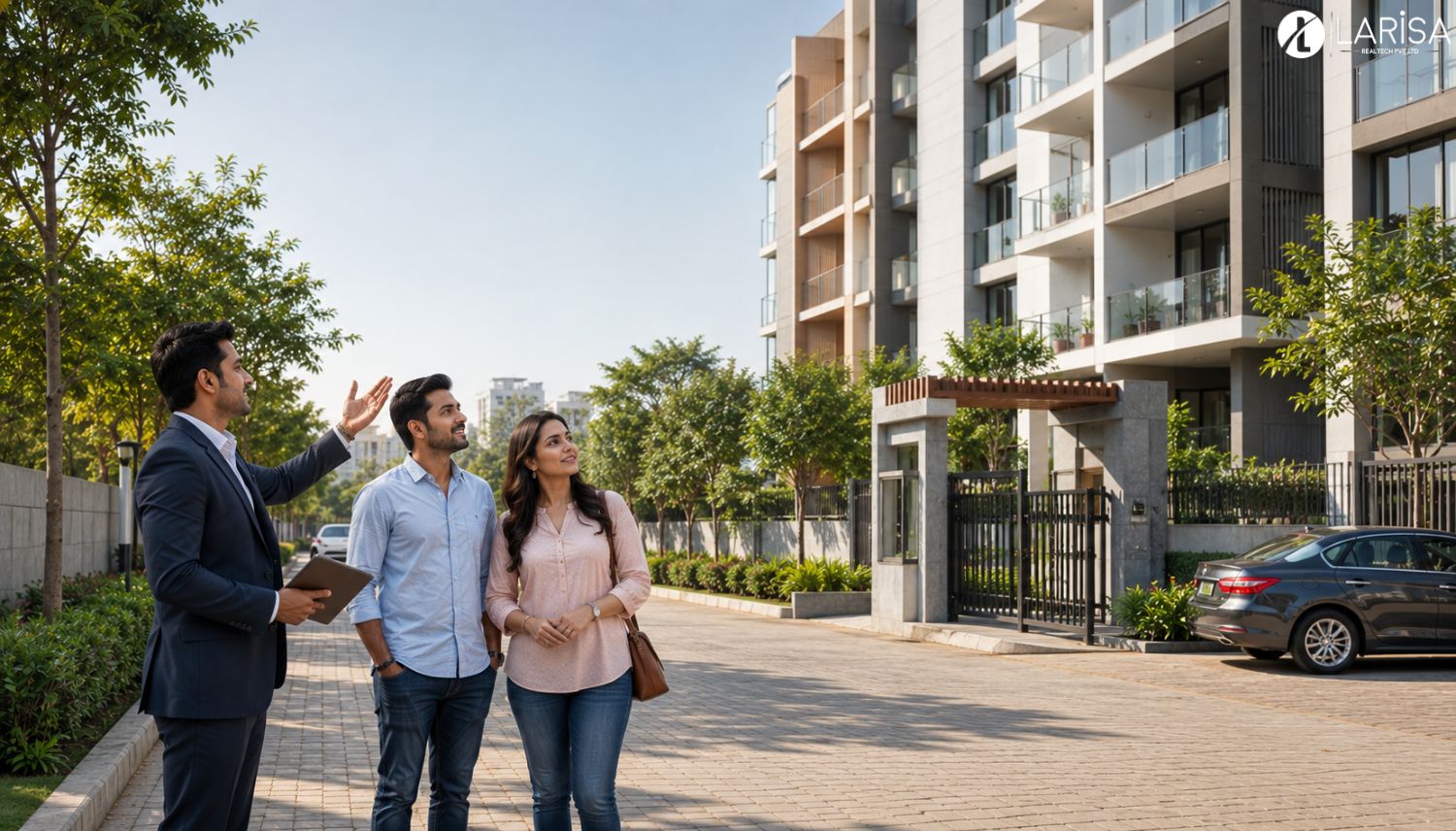
Do not rely solely on photos on the Internet or promises of brokers. You see the actual picture of the property on a physical visit.
During your visit, check:
Precise site and environment.
Construction quality
Connection and accessibility of roads
Nearby facilities
Visit during the various times of the day and learn more about it. Site visit will save you surprises in the future.
Check Builder Reputation
When you are purchasing with a builder, you always want to look into their background. Inquire about their past projects and delivery history.
Ask questions like:
Were they able to deliver projects promptly?
Do buyers like quality?
Do they have any complaints?
A reputable builder minimizes fraud and time wastage.
Borrow Money Home Loan with a Reliable Bank
Taking a home loan (even in part) can be a good idea, even when you can afford the entire amount. Before a loan is granted by banks or financial institutions, they conduct their own verification and legal checks on the property.
They confirm property documents, ownership details, builder approvals, and important legal clearances. That provides you with an added degree of security and confidence before making the final purchase decision.
It will also minimize the chances of purchasing a property that is in dispute or has hidden legal issues in the future.
Do Not Pay in Cash
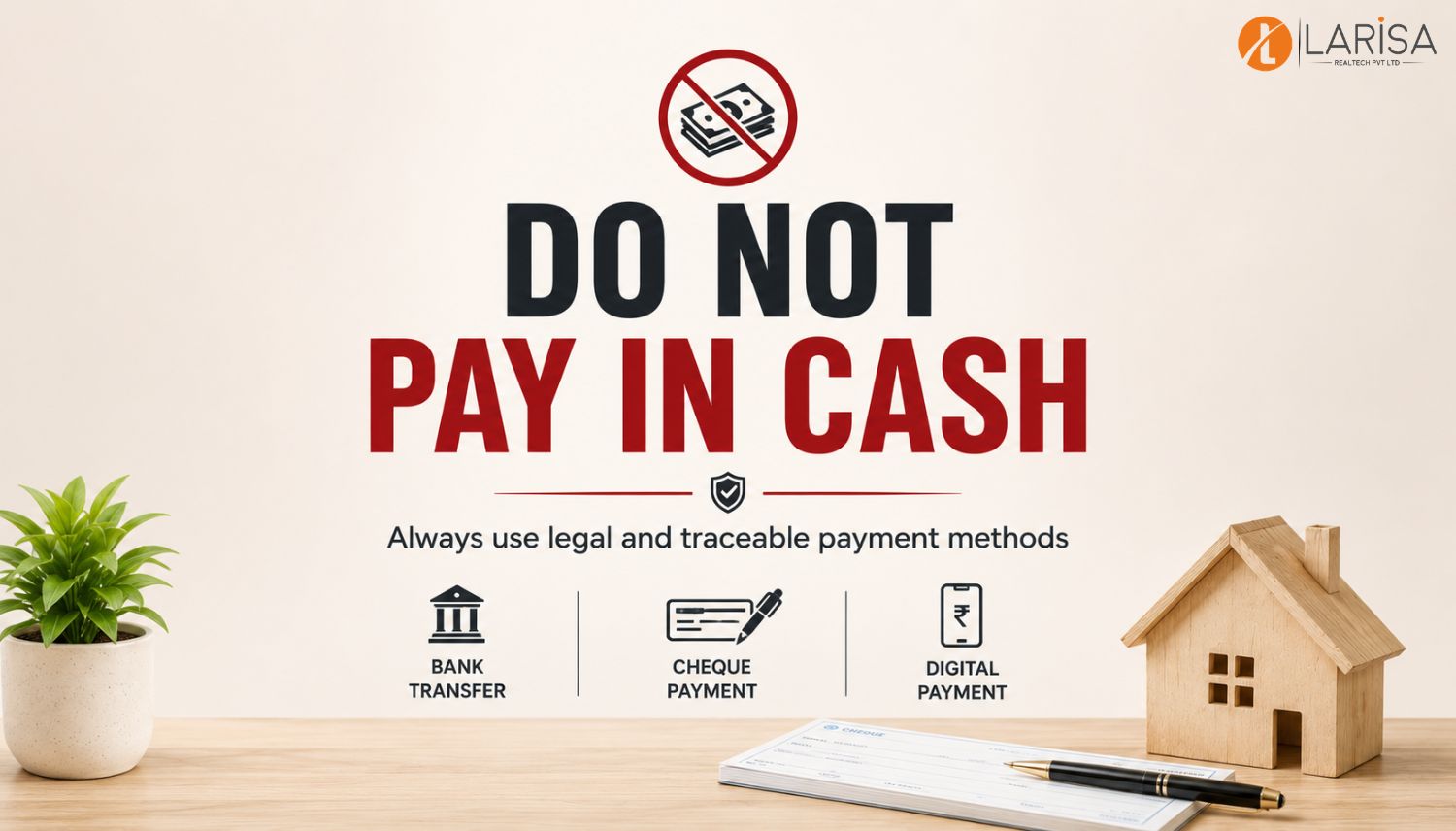
Transactions that involve cash are risky and must be avoided, especially in property deals where large amounts of money are involved. Always pay by bank transfer, cheque, demand draft, or other official payment methods that can be properly tracked and verified.
This will leave a clear trail of your transactions and help maintain proper financial records for future reference. In case of any problem afterward, you will have valid evidence of payment that can support you legally and financially.
Cash transactions can be problematic and costly because they are difficult to prove later. They may also create issues related to taxation, ownership disputes, or fraud.
Check Approvals and Legal Status
Ensure that the property is well approved by local authorities.
Important approvals include:
Building plan approval
Layout approval
Occupancy certificate (ready-to-move homes)
Without these approvals, the property may face legal issues or even demolition risks. This is a step that must not be overlooked, however appealing the deal may be.
Read the Agreement Carefully
Read the Agreement Carefully. When signing any document, read it line by line. Do not sign anything in a hurry.
Focus on:
Payment schedule
Possession date
Penalty for delay
Terms of refund and cancellation.
In case of uncertainty, seek clarification or seek the advice of a lawyer. Knowledge of the agreement safeguards you against disputes in the future.
Frauds to Beware of in Common Property
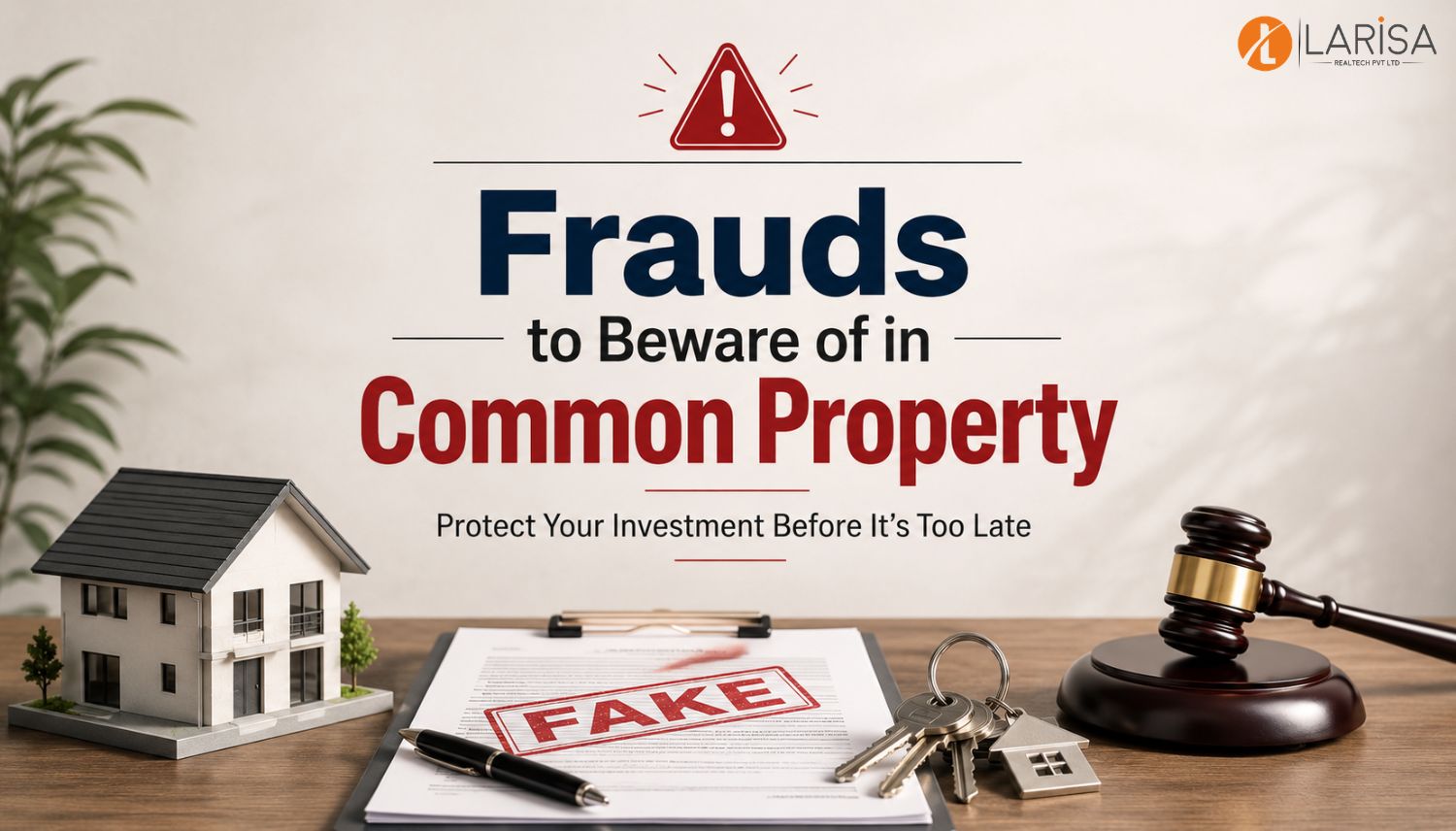
Knowing the most frequent scams makes you keep your eyes open.
There are scams such as:
Sale of the same property to more than one buyer.
Fake ownership papers
Projects not legally approved.
Post booking fees.
Late delivery without evident cause.
Being aware of these risks assists you in making a more informed choice.
Need Help Buying a Safe Property?
Purchasing property in India may be risky when you do not have the guidance of the right people. Fraud is a major problem to many buyers due to lack of careful verification of proper details.
Larisa Realtech is the one that will assist you in locating safe and confirmed properties so that you do not have to worry about it.
They also check legal documents, builder details, ownership records and project approvals before suggesting any property for a loan or investment.
This offers an extra layer of security for buyers and reduces the chance of legal or financial problems down the line. These checks make buying property more confident and less stressful.
Conclusion
Fraud in property causes massive loss of money, legal trouble and mental stress. Most of these problems can be avoided with correct checks and proper awareness before they become serious.
Never trust papers blindly, check the repute of builders and never take shortcuts while dealing in a property. Don’t rush into a decision. Take your time, ask questions and look into every important detail carefully.
Careful thinking today can save you from big problems tomorrow and help you invest in property with confidence, safety and peace of mind.
Frequently Asked Question
Related Posts